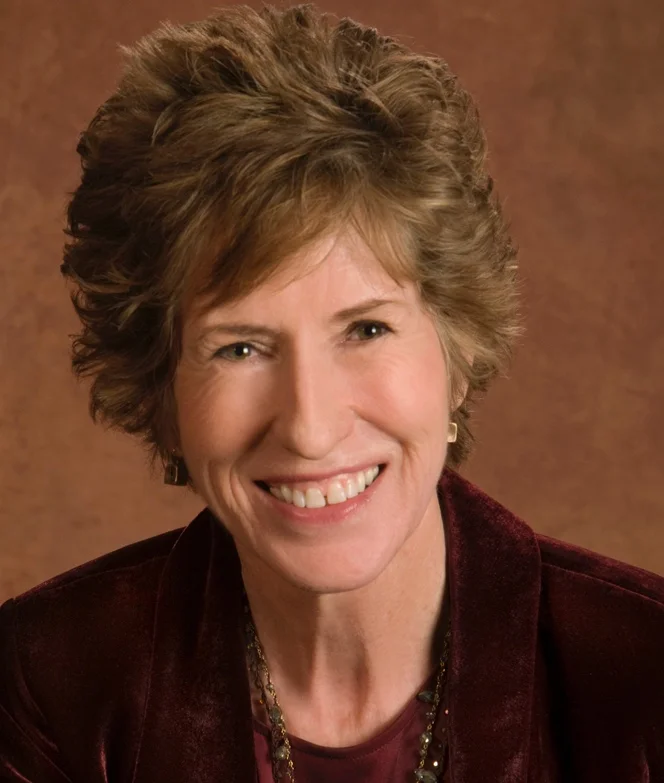
Photo by Susan Wilson
Stories, both true and imagined, form the bedrock of who I am.
My kindergarten report card noted, “Jean concentrates well during story time,” and at twelve I wrote a three-act play performed on my family’s verandah. The standing ovation it received from the neighborhood children convinced me that I was bound for London’s West End. Neither my high school nor university offered creative writing classes, so I majored in English literature and theatre and later did a masters in Library Science because I loved books. But my desire to not only read or listen to stories, but to write them, propelled me to leave my first job as a librarian, and to try journalism.
I expected to continue working as a journalist when I came to America. But I was an outsider in Boston. I didn’t know the city, and even though the language wasn’t foreign, I struggled with the accents and idioms. That made it hard for me to find a job as a reporter. Yet, I was determined to earn a living writing and eventually landed a job as a brochure copywriter for a corporate training company. To me it it was a fall from grace, but it paid the bills, and in the evenings and on weekends I wrote my own stories. Decades later, when I was vice president of the training company and had organized conferences across the United States and in London, I packed in the corporate lifestyle and signed up for an MFA in creative writing. Finally, I was aligned with who I am.
My novel, Shadows Under the Thorn Tree, is set in the town where I grew up, Pietermaritzburg, once dubbed “The Last Outpost of the British Empire” because of its Victorian architecture and its colonial residents. The Black people who for decades worked in my family’s home have often appeared in my writing, not only because their daily lives were intertwined with mine, but because they nurtured me. My haven was the kitchen, and the back verandah where ironing took place. In a New York Times essay, I wrote about the relationship between my mother and Nancy, our Zulu domestic worker; later I wrote about attending the funeral of our male cook, Phineas, and in another essay, about Nancy’s daughter who managed to break free of her family’s long line of domestic workers to become a director in KwaZulu-Natal’s Department of Transportation.
My identity has always been caught up with my South African roots, even though I chose to leave. From an early age I visited the nearby Black townships with my mother, a social worker, who late in her career received an award from Nelson Mandela in a ceremony in the Pietermaritzburg city hall. As he shook her hand, he said, “Now it is time for the young people to do the work.” Not that she took his advice. She kept on with her community work into her eighties. With my mother in the townships, I saw the poverty in which many Black people had to live. It was a visit to America in my early twenties where I learned what a free society could be like. After backpacking through Europe, I came to New York to work as a nanny. In spring I visited Boston and fell in love with the city: the bookstores, the subway buskers, the brownstones, the streets full of magnolia trees, and students of all ethnicities going to college. It was everything South Africa was not, and I wanted it all.
Five years after immigrating, I stood in Boston’s City Hall on a chilly January afternoon with 375 other immigrants and was sworn in as a full American citizen. My partner, now wife, was in the audience as I pledged allegiance to the flag. “We are all immigrants,” the judge said as he read from his speech, “and the blood of many countries runs in our veins.” Words that seem all the more critical today. Being an American citizen meant that I could vote, which was important to me, and it meant, surely, that I had finally found a place where I belonged.
“People Going to the Church,” by Elizabeth Ziqubu